
ROBOTICS
What is Robotics?
Robotics is the branch of technology that deals with thedesign, construction, operation, and use of robots machines that can perform tasks automatically or with human guidance. It combines elements of mechanical engineering, electrical engineering, computer science, and artificial intelligence to create machines capable of performing tasks that are difficult, dangerous, or repetitive for humans.
Robots can range from industrial robots used in manufacturing, service robots for healthcare or domestic tasks, to autonomous robots like drones and self-driving vehicles. Robotics also involves programming, sensors, and control systems to enable machines to perceive their environment, make decisions, and act accordingly.
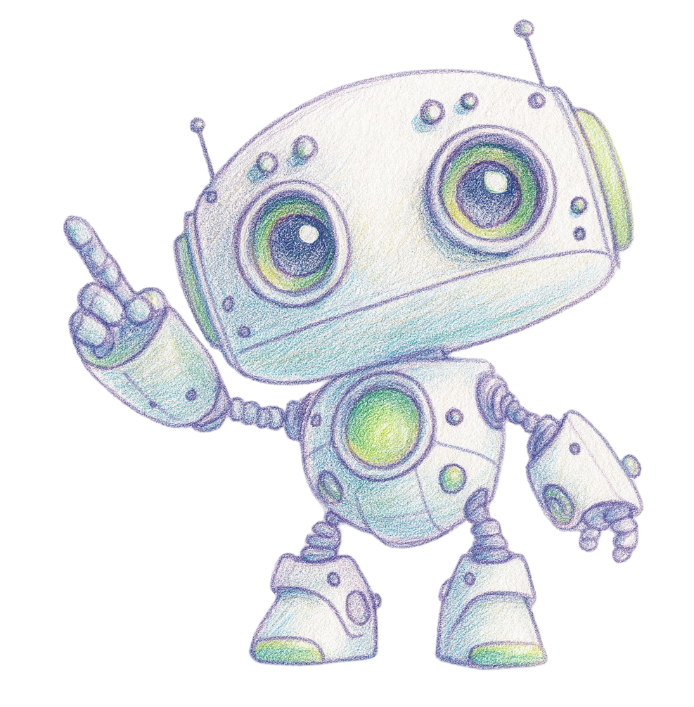
Key Features Of Robotics
The physical body of a robot, including manipulators, actuators, sensors, and other mechanical components.
Devices that allow robots to perceive and interact with their environment, such as cameras, LIDAR, and ultrasonic sensors.
Mechanisms that enable movement and object manipulation, including motors, pneumatic cylinders, and hydraulic systems.
Software and algorithms that govern robot behavior, from simple instructions to complex AI programs.
Techniques that enable robots to perceive, reason, learn, and make decisions autonomously.
The Benefits Of Robotics
- Interdisciplinary Learning: Integrates concepts from mechanical, electrical, computer science, and AI disciplines.
- Hands-on Experience: Provides practical exercises to apply theoretical knowledge to real-world problems.
- Problem-Solving Skills: Develops critical thinking, analytical reasoning, and problem-solving abilities through complex challenges.
- Innovation and Creativity: Encourages designing and building robots, fostering creativity and innovative solutions.
- Preparation for Industry: Equips students for careers in manufacturing, automation, healthcare, aerospace, and more.
- Collaborative Learning: Promotes teamwork, communication, and leadership through group robotics projects.
- Opportunities for Research: Engages students in advanced robotics research, deepening understanding and innovation.
- Personal Growth: Challenges students to step out of their comfort zones, building confidence and accomplishment.
- Ethical Considerations: Addresses social, legal, and ethical implications, promoting responsible decision-making.
- Life-Long Learning: Instills passion for continuous learning in a rapidly evolving field.
- Overall Benefits: Robotics courses develop technical expertise, creativity, critical thinking, and ethical awareness essential for success.